
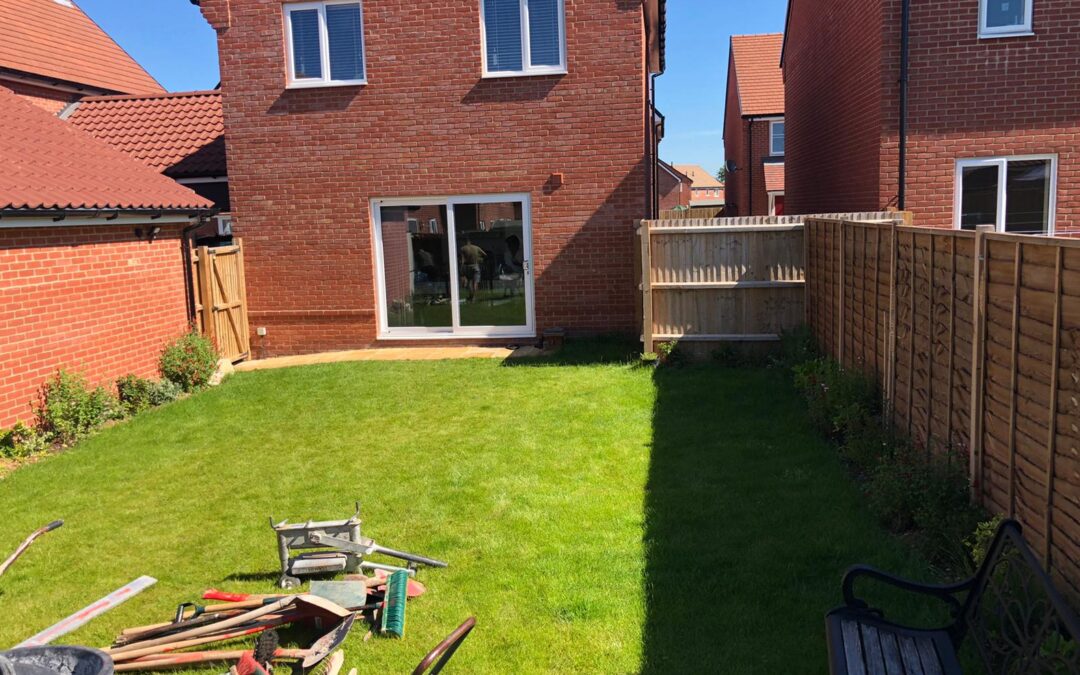
A garden is the one room of your home you can completely reinvent and in a town like Rochford, where plots range from compact courtyards near the High Street to generous gardens out towards Ashingdon, Hawkwell and Canewdon, there is huge scope to create something special. This in-depth guide walks you through the most effective garden landscaping ideas for Rochford and Essex homes in 2026, with practical detail on design, materials, planting for our local clay soil, realistic costs and how to plan the whole project. When you are ready to build any of it, our team provides professional landscaping in Rochford from design through to the final planting.
Start with how you actually want to use the garden
Before choosing materials or plants, decide how the space needs to work. Do you want a sociable entertaining area for summer gatherings, a low-maintenance family garden that survives footballs and paddling pools, a productive space with raised beds, or a calm, planted retreat? Most Rochford gardens end up as a blend, so the trick is to divide the plot into zones for example a paved dining terrace nearest the house, a lawn or artificial grass in the middle, and a planted or productive area at the far end. Mapping these zones first stops you buying beautiful materials that do not add up to a coherent garden.
1. A porcelain patio for year-round outdoor living
A quality patio is the anchor of most successful garden designs, giving you a level, all-weather surface for a table, chairs and loungers. Large-format porcelain in grey, anthracite or stone tones has become the go-to choice for Essex gardens because it is virtually non-porous (water absorption below 0.5%), frost-proof, stain-resistant and algae-resistant, with many ranges offering an R11 anti-slip finish. That means it shrugs off Essex winters and only needs an occasional wash. The keys to getting it right are position and size: place the patio where it catches afternoon and evening sun, and make it big enough for both a dining set and a seating area a cramped patio is the most common regret homeowners report. Porcelain must be laid on a full mortar bed with a bonding primer, so it rewards an experienced installer. Explore finishes on our patios page.
2. A low-maintenance garden with artificial grass
For busy households, pet owners, or shaded plots where real grass thins and turns to mud, artificial grass keeps the garden green and tidy all year with almost no upkeep, no mowing, no muddy paws, no bald patches. Modern artificial turf looks convincingly natural, drains freely when the base is prepared correctly, and is a practical choice for the shaded, tree-lined gardens common around parts of Rochford. To keep it looking like a real lawn rather than a carpet, frame it with a paved or resin edge and a planted border, and choose a pile height and colour blend that suits your garden rather than the brightest green available. See both real and artificial options on our turfing page.
3. Split-level terraces for sloping gardens
Plenty of gardens in and around Rochford slope, and rather than fighting it, the best designs embrace it. Dividing a slope into two or three level terraces linked by steps creates natural zones a dining terrace up by the house, a lawn below, a seating spot at the bottom and makes the garden feel considered rather than awkward. Terracing usually calls for retaining walls, which do double duty as structure, seating edges and raised planters. Because retaining walls hold back soil and water, they must be built on proper foundations with drainage behind them; done poorly, they bulge and lean within a few years. See our garden walls and steps.
4. Create garden “rooms” with pergolas, screens and lighting
One of the simplest ways to make a garden feel bigger and more intentional is to break it into defined areas the same principle interior designers use indoors. A pergola over a dining table, a slatted screen beside a seating area, or simply a change of paving underfoot signals a distinct “room”. Layer in outdoor lighting a few well-placed spotlights on trees, or subtle path and step lights and you transform how often the garden gets used, extending summer evenings well into autumn. Lighting is also one of the most cost-effective upgrades, adding atmosphere for a relatively small outlay.
5. Raised beds and the right planting for Essex clay soil
Much of the Rochford area sits on heavy London Clay, which is fertile but slow-draining, sticky in winter and prone to cracking in summer conditions many plants dislike. There are two smart responses. First, raised beds filled with improved, free-draining soil let you grow a much wider range, including vegetables and herbs, while keeping plants out of waterlogged ground. Second, lean into clay-tolerant plants that positively thrive in Essex: hardy geraniums, roses, hydrangeas, viburnum, ornamental grasses and many robust shrubs all do well. Improving the soil with organic matter each year gradually opens up the clay. The Royal Horticultural Society’s guidance on clay soils is an excellent reference for planting choices and soil improvement.
6. A healthy, hard-wearing lawn done properly
If you love a real lawn, the difference between success and a soggy, patchy disappointment is what happens before the turf arrives. On clay, that means removing debris, levelling accurately, improving the surface with quality topsoil, and building in drainage so water does not sit after rain. Turf laid over compacted, unimproved clay tends to fail within a season. With proper preparation, a real lawn gives you that unbeatable soft, green surface and can be kept healthy with sensible mowing, occasional aeration and seasonal feeding. Consider how much lawn you genuinely want to maintain, and whether combining a smaller real lawn with paving or planting would suit your lifestyle better.
7. Tie the front and back together with block paving
A garden feels most complete when the front driveway, side access and back garden paths share a consistent material and palette. Block paving is ideal for this: it is durable, comes in dozens of colours and patterns (herringbone, basketweave, stretcher bond), and crucially individual blocks can be lifted and re-laid if you ever need access to services or a repair. Carrying a paving theme through from the driveway to a rear patio path visually links the property and lifts kerb appeal, which matters in a sought-after commuter town. See our block paving service.
8. Composite decking for warmth and a modern edge
Where a patio would meet the house at an awkward level, or you simply want a warmer, softer surface underfoot, composite decking is an excellent low-maintenance choice. Unlike timber, quality composite needs no annual staining or sealing, does not splinter, and resists rot and fading a practical option for a raised seating area that makes the most of a view or a sunny corner. Decking also works beautifully alongside a lawn or planting to create a layered, multi-level garden. Explore decking options.
9. Refresh boundaries with stylish fencing and walls
New boundaries are one of the highest-impact, best-value upgrades a garden can have instantly improving privacy, security and the overall look. Contemporary slatted panels feel sleek and let a little light through; traditional closeboard is the sturdy, private classic; and composite fencing offers a maintenance-free middle ground. A low brick or rendered wall can add a more permanent, high-end feel and doubles as informal seating. Remember that fences and walls over two metres or over one metre where they border a highway may require planning permission, so it is worth checking the Planning Portal before you commit. Browse our fencing service.
10. Make a small garden feel bigger
Compact Rochford gardens can be some of the most rewarding to design, because a few well-chosen tricks make a dramatic difference. Use large-format paving units fewer joint lines trick the eye into perceiving more space. Keep to a limited, cohesive palette of materials rather than mixing many finishes. Plant vertically with climbers, trellis and wall planters to add greenery without stealing floor space. And draw the eye to a single focal point a specimen tree, a water feature or a striking pot so the garden reads as considered rather than cluttered. A restrained, uncluttered small garden almost always feels larger and calmer than a busy one.
Sustainable and drainage-friendly ideas
With heavier rainfall and tighter drainage rules, sustainable design is increasingly important and it also protects your garden from waterlogging. Permeable paving and resin-bound surfaces let rainwater soak away naturally rather than running off, gravel areas and planted borders absorb water, and a simple water butt captures runoff for the garden. If you are paving a front garden, using a permeable surface or draining to a border usually keeps you within permitted development and avoids the need for planning permission. Building drainage into the design from the start is far cheaper than retrofitting it after a garden floods.
When is the best time to landscape a garden in Essex?
Hard landscaping patios, driveways, walls, fencing and decking can be built almost year-round, pausing only in hard frost or persistent heavy rain, so autumn and winter are often quieter, good-value times to book. Soft landscaping has its own rhythm: turf establishes best in spring and autumn, and many plants are ideally planted in autumn while the soil is still warm and moist. In practice, planning your project over winter and building in late winter or spring means the garden is ready to enjoy for the summer.
What do these garden ideas cost in Rochford in 2026?
Costs vary with size, materials and groundwork, but as a realistic 2026 guide: a new patio runs £80–£180 per square metre installed; turfing is £12–£20 per square metre supplied and laid; artificial grass is £40–£80 per square metre; block paving is £60–£120 per square metre; fencing is £80–£160 per linear metre; composite decking is £120–£250 per square metre; and a full garden redesign combining several ideas typically ranges from £8,000 for a modest plot to £30,000 or more for a large garden with multiple features. Because every garden differs, the only way to get an accurate figure is a free on-site survey.
How to plan your garden project step by step
A well-planned project runs smoothly and stays on budget. Start by setting your priorities and a realistic budget, then gather inspiration and decide which two or three ideas suit your space best. Arrange a site survey so a professional can assess levels, drainage, soil and access, and translate your ideas into a workable design and a fixed written quote. Agree the design, materials and timeline before work begins, and confirm who handles waste removal and any permissions. Then let the build follow the right order groundwork and drainage first, hard landscaping next, soft landscaping last. Choosing an accountable contractor matters at every stage; the British Association of Landscape Industries is a helpful resource for finding accredited landscapers.
Bringing your ideas to life in Rochford
The most successful gardens combine two or three of these ideas into one coherent design, built on proper groundwork and drainage so they last for decades rather than seasons. If you would like help turning inspiration into a finished garden, we provide complete professional landscaping in Rochford from the first design conversation through hard landscaping to the final planting. See examples of finished gardens in our gallery, or visit our contact page for a free, no-obligation quote.
Frequently asked questions
What are the best low-maintenance garden ideas for a Rochford home?
Artificial grass, porcelain patios, gravel areas and clay-tolerant planting all cut maintenance dramatically. Combining a paved terrace with artificial grass and a simple planted border gives a smart garden that needs very little upkeep.
What plants grow well in Rochford’s clay soil?
Clay-tolerant plants such as hardy geraniums, roses, hydrangeas, viburnum, ornamental grasses and many robust shrubs thrive in Essex clay. Raised beds with improved soil let you grow an even wider range, including vegetables and herbs.
How can I make a small garden look bigger?
Use large-format paving units, a limited material palette, vertical planting with climbers and wall planters, and a single focal point. Keeping the design simple and uncluttered makes a compact garden feel more spacious.
What is the best idea for a sloping garden?
Split the slope into level terraces linked by steps, using retaining walls to create distinct zones. Built on proper foundations with drainage, terracing turns an awkward slope into the garden’s best feature.
When is the best time of year to landscape in Essex?
Hard landscaping can be built almost year-round; turf and planting establish best in spring and autumn. Planning over winter and building in late winter or spring means the garden is ready for summer.
How much does a full garden redesign cost in Rochford?
As a 2026 guide, a full redesign typically ranges from £8,000 to £30,000+ depending on size, features and materials. A free on-site survey gives an accurate, tailored figure.